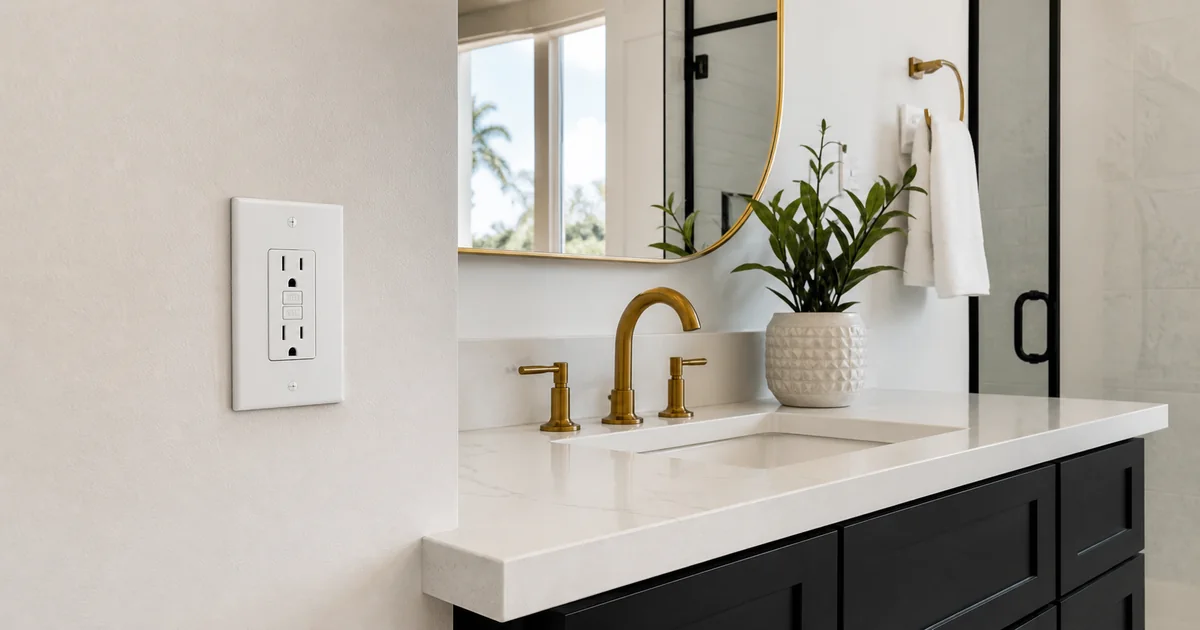
GFCI protection is one of the most important electrical safety features in a home. It is especially relevant where electricity may be used near water, damp surfaces, concrete floors, grounded equipment, or outdoor conditions. Bathrooms and kitchen counters are familiar examples, but garages, laundry areas, basements, crawl spaces, outdoor receptacles, utility sinks, and some appliance circuits also deserve attention. Knowing where protection belongs—and where it may be located upstream—helps homeowners make sense of outlets that trip, will not reset, or appear to have lost power together.
What is a GFCI outlet?
GFCI means ground-fault circuit interrupter. A GFCI is designed primarily to reduce the risk of serious electrical shock. The familiar receptacle version has TEST and RESET buttons, but GFCI protection can also be built into a circuit breaker or certain equipment.
A ground fault can occur when electrical current leaves its intended path and travels through another path toward ground. Moisture, damaged equipment, deteriorated insulation, or contact between a person and an energized part can create that condition. A GFCI reacts quickly when it detects the characteristic current imbalance.
How GFCI protection works
A GFCI continuously compares the current traveling out on the ungrounded conductor with the current returning on the neutral conductor. Under normal operation, those amounts should be essentially equal. If a very small difference appears—typically around five milliamps for personnel protection—the device opens the circuit quickly.
Homeowners should never bypass GFCI protection to keep an appliance running. Repeated trips are information. They may point to moisture, damaged equipment, a wiring issue, a deteriorated GFCI, or another condition that needs troubleshooting.
Where GFCI protection is commonly required or recommended
Modern residential electrical rules apply GFCI protection broadly in locations associated with water, dampness, grounded surfaces, outdoor exposure, and utility use. The exact requirement depends on the code edition adopted for the project, local amendments, the type and rating of the outlet, and the authority having jurisdiction.
As of this article's publication, Florida's 8th Edition (2023) building code is in effect and its residential electrical provisions are based on the 2020 NEC. A later NEC edition, a local amendment, manufacturer instructions, or the details of a renovation may change how a specific installation is evaluated. The local building department and the electrical professional handling the project determine what applies to the work.
Typical dwelling locations include the following:
- Bathrooms
- Kitchen countertop and other qualifying kitchen receptacles
- Garages and certain accessory buildings
- Outdoor receptacles and other covered outdoor outlets
- Laundry areas
- Basements and crawl spaces at or below grade
- Receptacles within the specified distance of sinks, tubs, or showers
- Boathouses, pool and spa areas, and indoor damp or wet locations
- Certain appliance and equipment outlets
Bathrooms
Bathroom receptacles need GFCI protection. Hair dryers, electric grooming tools, chargers, cleaning equipment, and other cord-connected products are often used near sinks and other grounded or wet surfaces. The protection may be provided by the receptacle you can see, by another GFCI device upstream, or by a GFCI breaker in the panel.
One upstream device may protect multiple bathroom receptacles. That arrangement explains why a trip in one bathroom can shut off outlets in another bathroom, a nearby hallway, or another part of the same protected branch circuit. The device that needs to be reset may not be in the room where power was lost.
Kitchen countertop areas
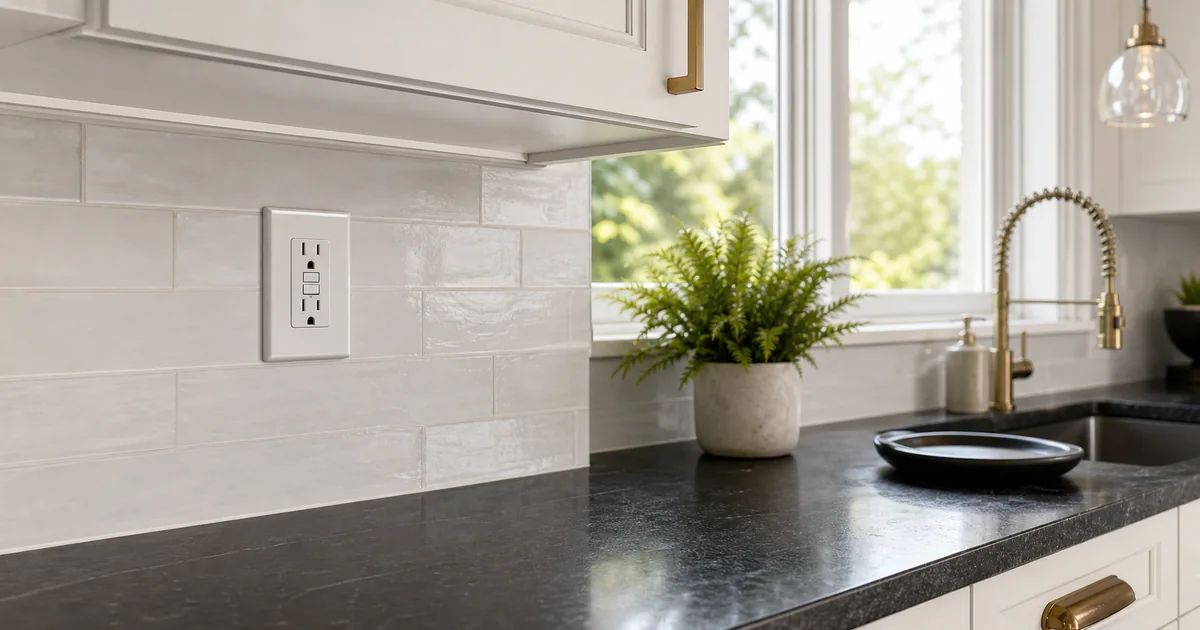
Kitchen countertop receptacles are a central GFCI location because portable appliances are used near sinks, metal equipment, and work surfaces where spills occur. Coffee makers, blenders, mixers, toasters, and other appliances can introduce damaged cords, wet hands, or grounded surfaces into the same work area.
Current Florida residential work generally includes GFCI protection for qualifying countertop receptacles and receptacles within the required distance of a sink. Newer NEC editions broaden kitchen coverage further, which is one reason advice found online may differ by date and jurisdiction. Islands, peninsulas, wet bars, and other preparation areas may have additional requirements based on layout and use.
Garages and outdoor receptacles
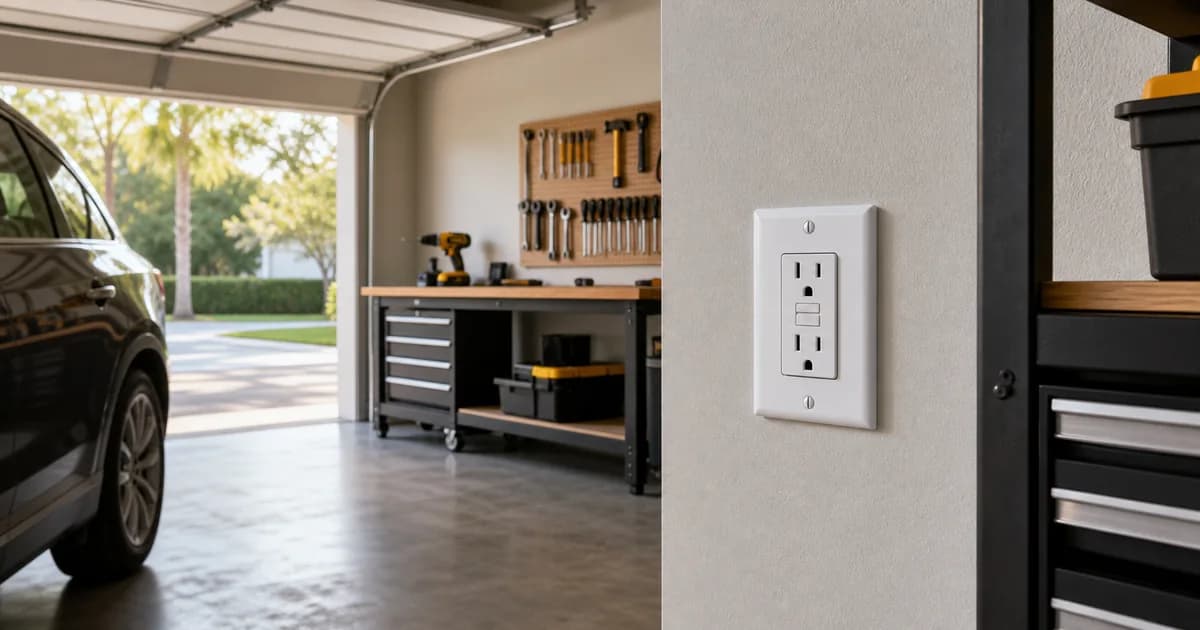
Garage receptacles are commonly GFCI protected because concrete floors, tools, vehicles, extension cords, outdoor equipment, and occasional moisture create a higher-risk environment. Protection can apply even when the receptacle is dedicated to a particular appliance. Exceptions and equipment-specific rules should be evaluated for the actual installation.
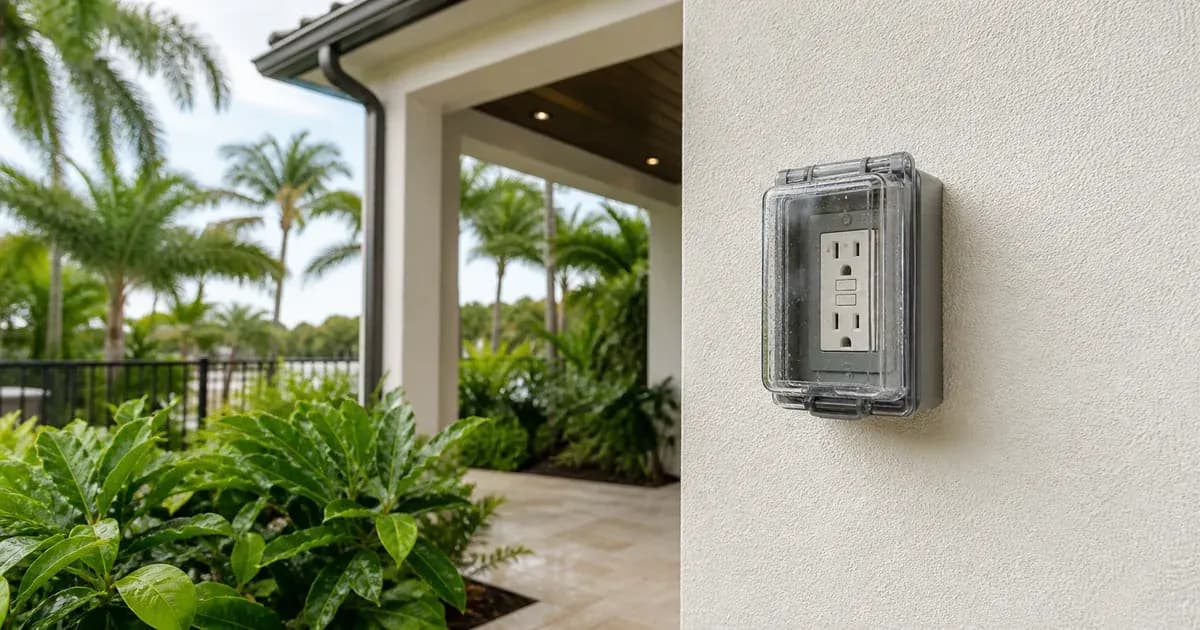
Outdoor receptacles also need GFCI protection in typical residential installations. They should have covers and equipment suitable for the exposure. Florida rain, humidity, irrigation, insects, salt air in some areas, and intense sun make enclosure condition especially important. A device that trips after rain may be responding to moisture and should not be bypassed.
Laundry areas
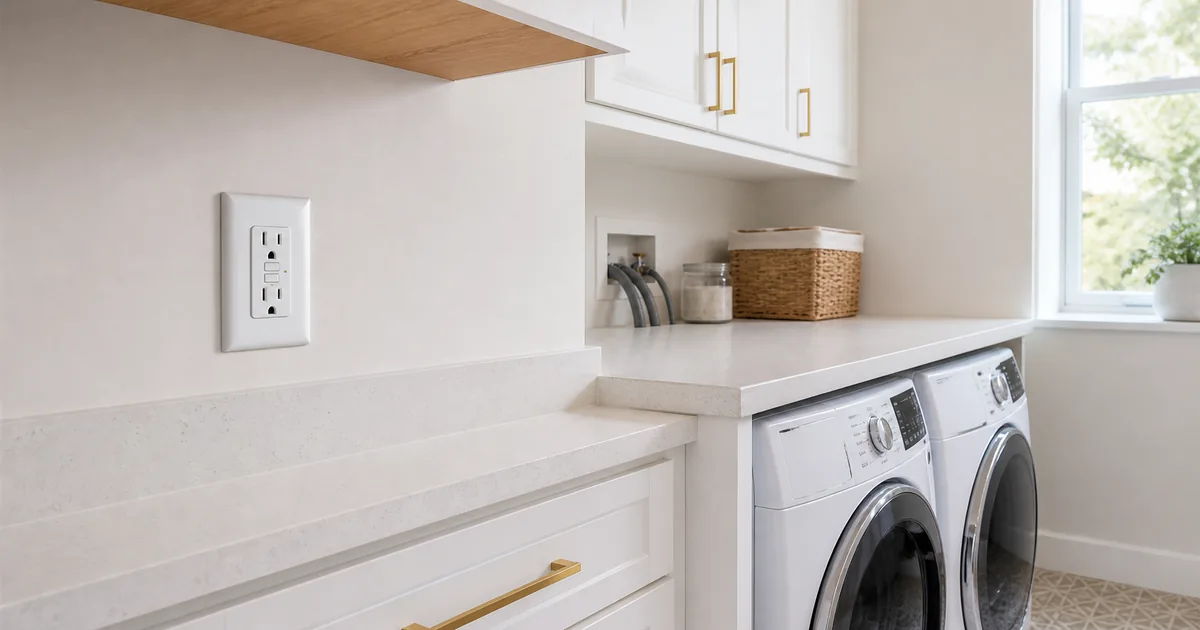
Laundry areas are included among modern residential GFCI locations. A washing machine combines water, a metal appliance cabinet, hoses, vibration, and electrical equipment. Utility sinks, irons, steam appliances, and cleaning equipment can add other ways for electricity and moisture to come close together.
A washing machine that repeatedly trips GFCI protection may have an equipment problem, moisture issue, damaged cord, or circuit condition. It should not be moved to an unprotected outlet as a workaround. Record when the trip occurs—at startup, fill, agitation, drain, or spin—and share that detail during troubleshooting.
Basements and crawl spaces
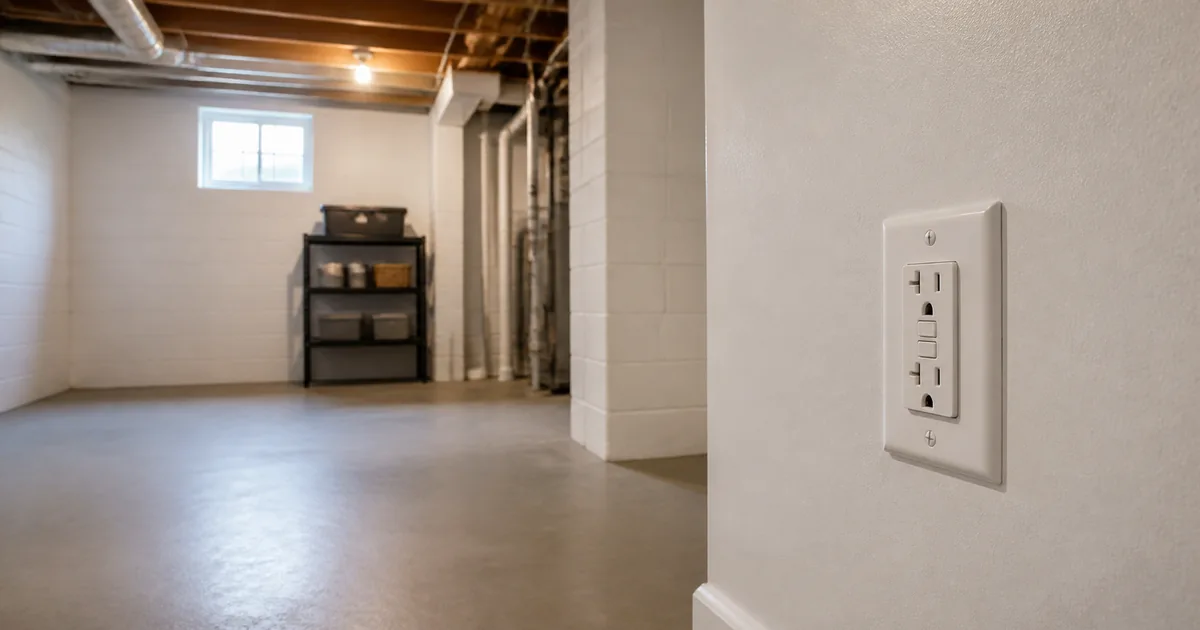
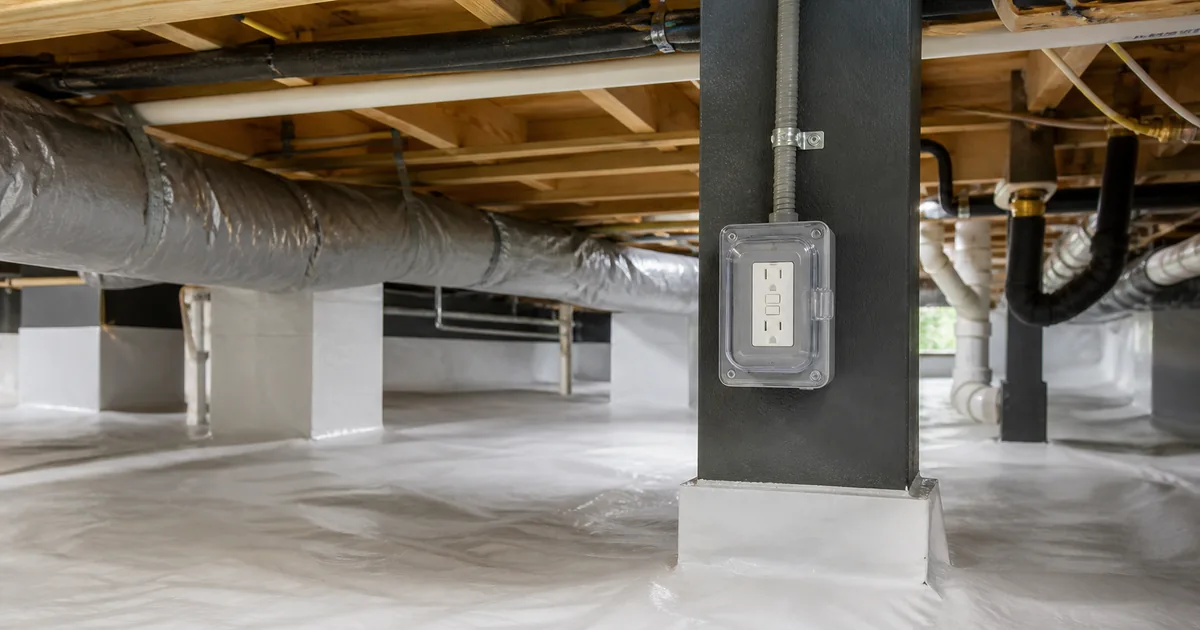
Basements and crawl spaces can contain concrete, earth, condensation, plumbing, pumps, HVAC equipment, and limited ventilation. Modern code editions have expanded GFCI coverage in these areas beyond older rules that focused mainly on unfinished basements.
Crawl spaces at or below grade are commonly included. Even when a receptacle is used only for service equipment, its location and purpose should be checked against the adopted rules and any equipment-specific provision. Access difficulty does not eliminate the need for protection or periodic testing.
Utility sinks, wet bars, and similar areas
GFCI rules are not limited to rooms labeled bathroom or kitchen. Receptacles installed within the specified distance of a sink may require protection wherever that sink is located. That can include a garage utility sink, laundry sink, wet bar, workshop, craft room, mudroom, or other space.
The measurement and the exact definition of the area matter. So do permanent provisions for food preparation, beverage preparation, or cooking. A renovation that adds a sink or changes how a room is equipped can therefore change the electrical protection needed around it.


Appliances and dedicated circuits
Appliance outlets deserve a device-by-device review. A refrigerator is not universally exempt from GFCI protection. Whether its receptacle requires protection can depend on the receptacle location, sink distance, garage or basement location, adopted code edition, and other project details. Newer code editions may cover more kitchen receptacles than earlier editions.
Dishwasher outlets receive specific GFCI treatment in modern residential rules. The protection may be supplied by a breaker or another listed method appropriate to the installation. Manufacturer instructions, accessibility, disconnecting requirements, and the wiring method also matter.
A washing machine in a laundry area is generally expected to have GFCI protection under modern rules. Other laundry equipment may be evaluated by location, voltage, connection type, and the adopted requirements. Dedicated does not mean unprotected: a circuit can serve one appliance and still require GFCI protection.
Some 240-volt receptacles and outlets do require GFCI protection. Modern NEC language covers many 125- through 250-volt receptacles in listed dwelling locations, and separate rules can apply to specific equipment. Dryer receptacles, ranges, EV charging equipment, outdoor HVAC, pool equipment, and workshop tools should be reviewed using the code edition and equipment involved rather than a blanket yes-or-no rule.
GFCI receptacle vs. GFCI breaker
A GFCI receptacle provides protection at its face and can also protect correctly connected downstream receptacles on the same branch circuit. Its TEST and RESET buttons are located at the receptacle. This option can make the protective device easy to identify when it is installed in an accessible location.
A GFCI circuit breaker protects the branch circuit from the panel and also performs the normal overcurrent function of a breaker. It can be useful when several outlets need protection, when receptacles are difficult to reach, or when the circuit supplies equipment that is better protected at the source. Panel compatibility, circuit layout, accessibility, and equipment influence the choice; homeowners should not open an energized panel.
Why several outlets can lose power at the same time
A single GFCI receptacle can protect additional outlets connected to its load side. When that device trips, every correctly connected downstream outlet loses power. This is common in bathrooms, garages, exterior circuits, and older layouts where the protective device may be some distance from the outlet being used.
A GFCI breaker can shut off every outlet and connected load on its branch circuit. A standard breaker trip, a loose connection, an upstream GFCI, or a failed device can create a similar symptom. Note which outlets stopped working and what was plugged in, but do not remove covers to search for hidden wiring.
What to check when a GFCI will not reset
A GFCI may refuse to reset when upstream power is off, another GFCI or breaker has tripped, moisture is present, connected equipment still has a fault, the device is wired incorrectly, a connection has failed, or the GFCI itself has reached the end of its useful life. Some modern devices intentionally deny reset when they cannot provide protection.
Homeowners can safely unplug portable equipment from the affected outlets, keep wet areas and damaged devices out of use, and check visible GFCI devices and the labeled breaker position without removing covers. Follow the manufacturer's instructions for the device. If there is scorching, heat, a burning odor, buzzing, water intrusion, or repeated tripping, stop and request electrical troubleshooting.
Do not force the buttons, hold RESET in place, replace the GFCI with an ordinary receptacle, use an extension cord to defeat the protected circuit, or work inside an energized panel. A device that will not reset is a safety condition to understand, not an inconvenience to bypass.
Test GFCI protection periodically
The U.S. Consumer Product Safety Commission recommends testing GFCI devices monthly. For a receptacle, follow the manufacturer's instructions and use the built-in TEST and RESET buttons. The protected power should turn off during the test and return only after a successful reset.
Testing matters because a receptacle may still deliver power even when an older or damaged protective function is not operating correctly. Follow the device manufacturer's instructions, and arrange troubleshooting if the device does not interrupt or restore power correctly.
When to call for electrical troubleshooting
Request electrical troubleshooting when a GFCI repeatedly trips, will not reset, trips with nothing connected, affects unexpected rooms, feels warm, shows discoloration, makes noise, or is associated with moisture or damaged equipment. Those symptoms can involve the device, downstream wiring, another protective device, or the connected load.
Althas Electrical is based in Riverview, Florida, and generally serves projects within approximately 50 miles, depending on location and scope. Text your city or ZIP code, the affected area, what lost power, and when the issue occurs. Include safe photos of visible devices without removing covers.
Official safety references
Code requirements change by edition and jurisdiction. These official resources informed the general safety guidance in this article.
How Althas Electrical can help
Althas Electrical is based in Riverview, Florida, and serves residential and commercial customers within approximately 50 miles. Availability depends on the project location and scope. Text your city or ZIP code, property type, and project details to begin.